





It starts as the perfect match.
A client finds someone she trusts in her home. The work is good, they get along well and, over time, they begin to know more about each other’s lives.
There’s nothing wrong with that. Trust and connection matter.
But slowly, the relationship begins to change.
One week, a few things are missed. The next visit starts late. Another finishes a little early.
The client notices, but she doesn’t say anything.
She doesn’t want to sound demanding. She doesn’t want the next visit to feel awkward. Most of all, she doesn’t want to risk losing the person she now relies on.
So, she lets it go.
A few weeks later, the visit is cancelled because of illness. Then there is an appointment, a family commitment and an upcoming holiday.
Every reason is understandable. But there is nobody else to step in.
The client skips one clean, then another. The home falls behind, and she starts fitting her own plans around whatever times are available.
Without meaning to, she has stopped being the customer and started managing the arrangement.
There is no office to call if the standard slips. No one else to organise cover. No manager to handle uncomfortable feedback.
If she wants something changed, she has to raise it directly with someone she cares about.
If she wants to end the arrangement, it feels even worse. It no longer feels like changing a service. It feels like rejecting a friend, and possibly taking away part of that friend’s income.
The pressure isn’t only on the client. The person providing the service feels it too, and when the balance shifts, it shifts for both of them at once.
Then, one morning, the situation reverses.
The client becomes sick and cancels.
Suddenly, there is a gap in the working day and several hours of lost income. If more appointments are cancelled that week, the loss grows.
Those hours are almost impossible to replace at short notice. Another household is unlikely to need help at exactly that time, in the right area, for only that week.
A relationship that seemed secure is now placing both people in a vulnerable position. If either person becomes sick, takes leave, moves away or ends the arrangement, the other is immediately affected.
For NDIS participants who are self-managed or plan-managed, this kind of uncertainty can feel even more pronounced, since needs and funding arrangements can shift over time. Without a wider team behind the arrangement, adjusting to those changes often falls on two people alone.
Private work can also come with costs that aren’t obvious from the outside, things like insurance, admin, cancellations and unpaid leave. Those costs, and the risk, are usually carried by the person doing the work.
The Clean Life does not permanently assign one regular person to each home.
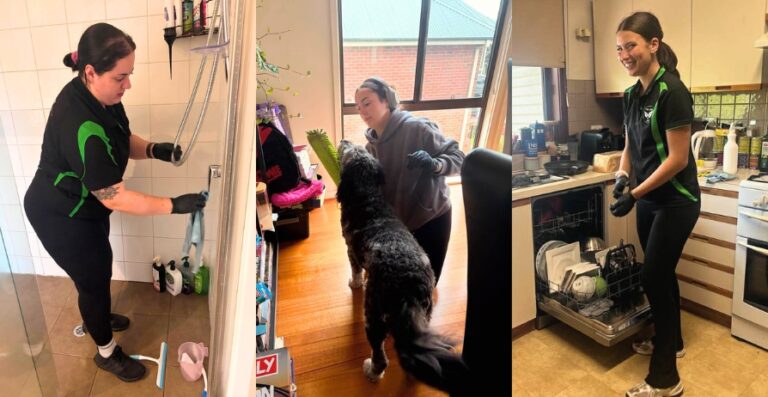
Instead, every client is supported by a trained team and a full service system.
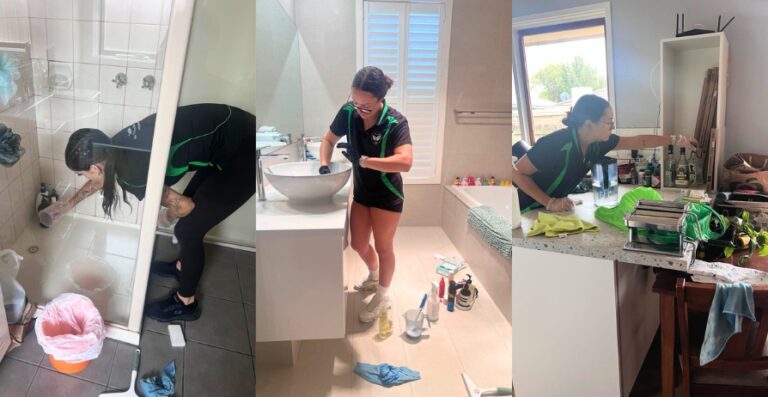
Our team members work from shared notes, clear expectations and the client’s preferences. That allows different team members to provide the same service without the household becoming completely dependent on one individual.
Say a team member wakes up unwell on a morning she’s due at a client’s home. With a team behind her, another Home Specialist can step in that same day, working from the same notes and preferences already on file. The client still gets their clean, on time, to the standard they expect, without either person having to manage it alone.
Our clients notice that consistency too.
“Bravo ladies for always coming through with a clean and fresh home. The standard of work you do shows your respect not only for us the clients but also for the name of the company you work for…No matter which staff members turn up, they always represent your company well. Thank you Much appreciation
” – Arona T.
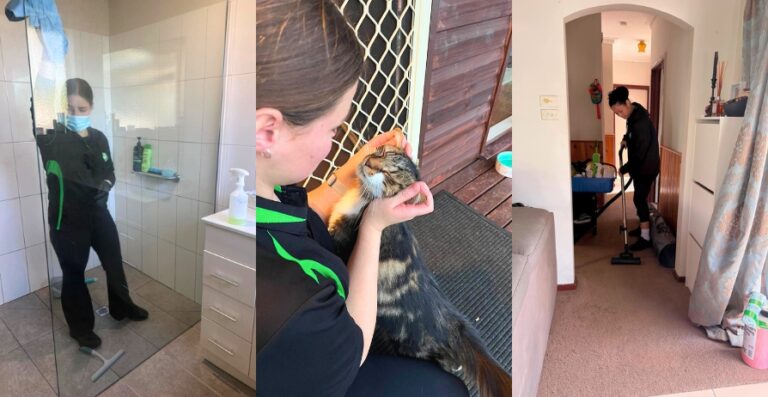
Clients can still enjoy familiar faces and build genuine trust. The difference is that the service doesn’t disappear when one person’s circumstances change.
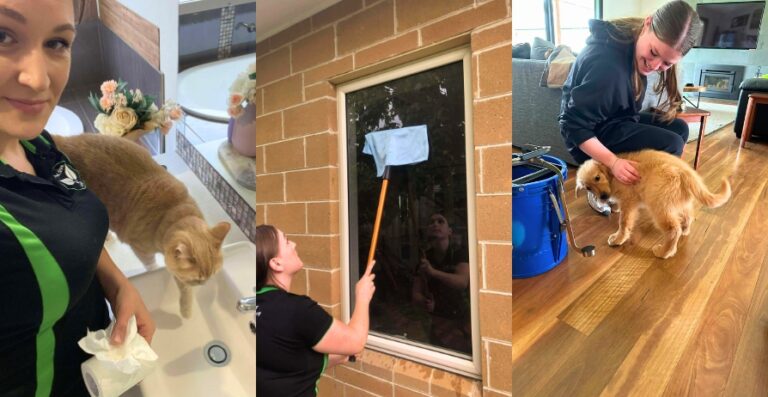
There is also an admin team working for the client.
If something has been missed, the client tells us.
If the schedule needs to change, we organise it.
If feedback, further training or a different team member is needed, we manage it professionally.
The client doesn’t have to risk a personal relationship just to ask for the service they are paying for.
Our team members are protected too. They can take leave, report an illness and maintain reasonable boundaries without feeling personally responsible for keeping one household’s entire support arrangement going.
There is also an admin team working for the client.
If something has been missed, the client tells us.
If the schedule needs to change, we organise it.
If feedback, further training or a different team member is needed, we manage it professionally.
The client doesn’t have to risk a personal relationship just to ask for the service they are paying for.
Our team members are protected too. They can take leave, report an illness and maintain reasonable boundaries without feeling personally responsible for keeping one household’s entire support arrangement going.
Do you really need the same person, or do you need the same great service?
One depends on an individual being available. The other is backed by a whole team, working to the same standard.
That’s what a managed service gives you.
Proudly servicing Melbourne South East – Frankston, Bayside, Mornington Peninsula, Western Port and surrounding suburbs
The same great standard, every time, from a team you can rely on.