
January’s almost over. And that list of New Year’s resolutions you made? The ones you were so sure about on January 1st?
Yeah. How’s that going?
Let me guess:
You were going to keep the house clean this year. Stay on top of the laundry. Meal prep every Sunday. Organize that cupboard. Create systems that stick.
And here we are, four weeks in… and none of that happened. Now you feel worse than if you’d never set the goals in the first place. Sound familiar?
Here’s what nobody tells you: New Year’s resolutions are designed to fail. And it’s not your fault.

Those ambitious January promises – exercise daily, eat better, clean more, get organized – often fade fast. By week one, you miss a day or two. By week two, excuses pile up. By week three, you might feel you’ve completely failed.
It’s not you. It’s the design.

- They’re based on fantasy-you. You set goals for the version of yourself with endless energy, time, and motivation, not the one juggling exhaustion, work, family, and life’s surprises.
- They ignore your capacity. Time, energy, support – resolutions assume you have more than reality allows.
- They don’t account for life being life. Kids get sick. Work gets busy. Energy dips. Grief shows up. Life is messy.
- They’re all-or-nothing. Miss a day, fail. Miss a week, quit. All-or-nothing thinking makes failure inevitable.

- Acknowledge reality. You’ve kept people fed, safe, and cared for. That counts more than spotless surfaces.
- Redefine success. Functional over perfect. Can you cook, find clean clothes, and sit down without moving clutter? That’s real success.
- If help isn’t an option: Lower the standard to ‘survivable.’ Kitchen functional enough to make toast? That counts. Bathroom usable? Good enough. Let everything else wait.
- Build in support – if you can. You don’t have to do it alone. Shared effort makes goals achievable. But if help isn’t available, that’s okay too. There are other ways through.

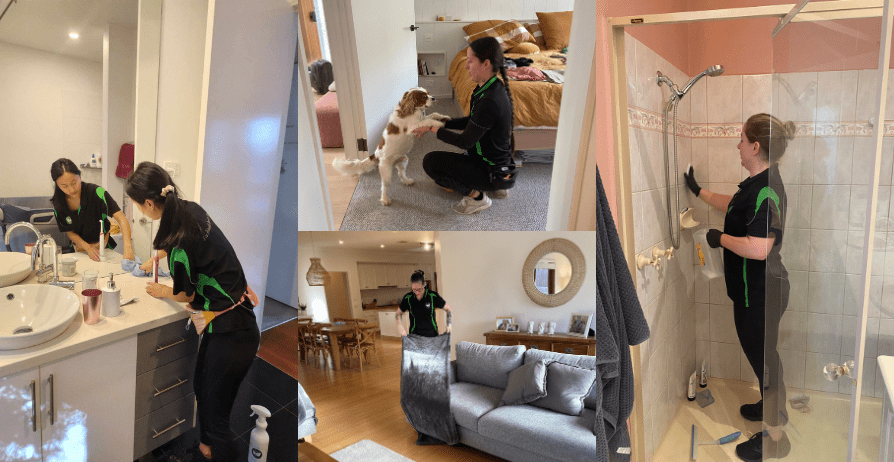
Here’s something we learned building The Clean Life: even professionals can’t run on willpower alone. We needed training, checklists, team accountability, and clear systems to maintain high standards consistently. (Curious about how we built those systems? Read more about our approach here.)
If people who clean for a living need that kind of structure and support, why do we expect you to manage it all alone while juggling everything else in your life?
You’re not failing because you lack discipline. You’re struggling because you’re trying to operate without the support systems that actually make success possible.

Forget the complete overhaul. Pick one small, doable change: wipe down the kitchen counters every night before bed, empty the dishwasher as soon as it’s done, or spend five minutes clearing the entryway of shoes and bags.
Not ten things, not a whole routine – just one.
If it works, great. If it doesn’t, you’ve learned what doesn’t stick and can try something else. No shame, no failure – just information.

If you have access to help – friends with capacity, budget for a professional clean, family who can take something off your plate – use it. Stop doing everything yourself. Not because you can’t, but because you don’t have to.
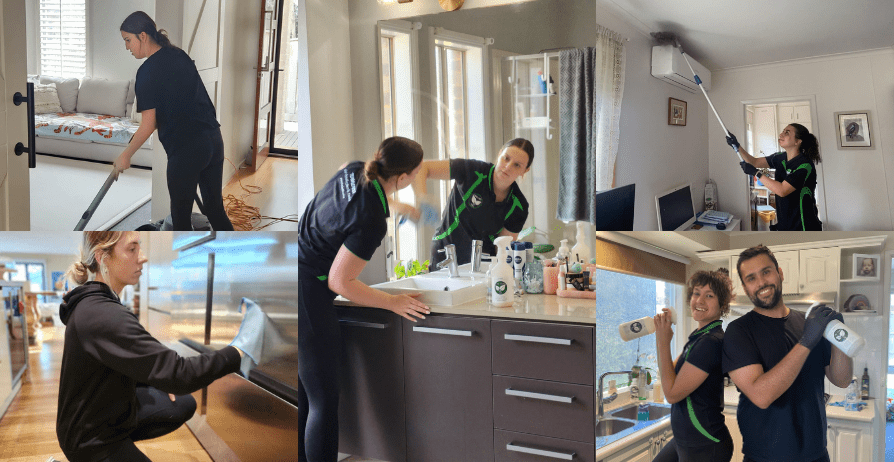
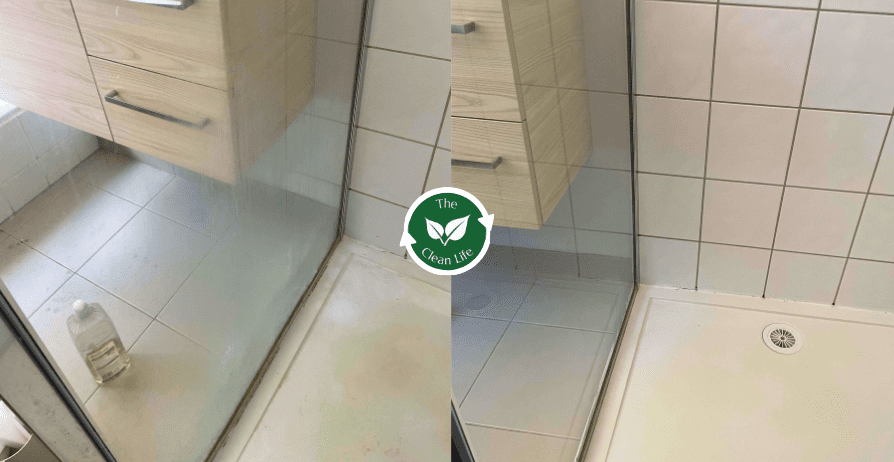
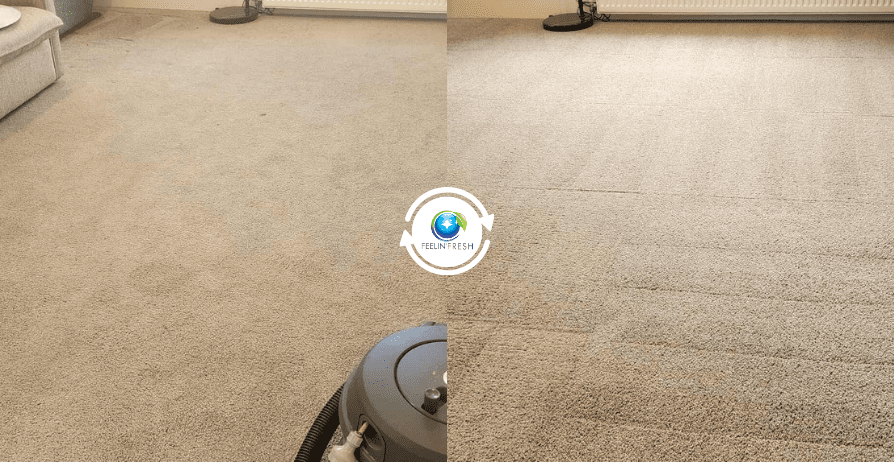
Have someone take over laundry one day. Book a professional clean for your bathroom or carpets. Let a friend or family member help with errands. Delegate one task at work instead of carrying it all.
But if help isn’t available right now, here’s what else works:
- Lower the bar to survival mode. Everyone fed? You’re winning. Clean clothes exist? That’s enough. Functional beats perfect. Survival beats spotless.
- Rotate instead of maintaining. Keep one room functional this week, let the others go. Next week, flip it. You’re not failing – you’re triaging.
- Do radically less. One plate per person (less dishes). Wear clothes twice (less laundry). Close the door on the messy room (less mental load).
- Use micro-moments. Wipe one thing while coffee brews. Fold three items during ad breaks. Not a routine – just stolen seconds.
- Give yourself permission to let it be messy. Sometimes the answer is: don’t clean. Rest matters more than clean floors. Your mental health matters more than surfaces. The mess will be there when you have capacity again.
Imagine your home handled – whether that’s through help or through radically lower standards – and the time, energy, and mental space freed for what really matters: reading a book without distraction, enjoying a quiet cup of tea, spending intentional time with your kids, or simply breathing.
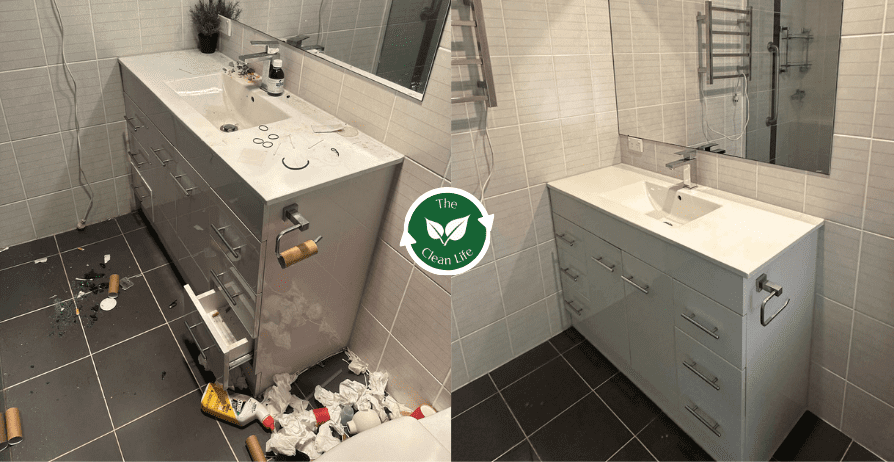
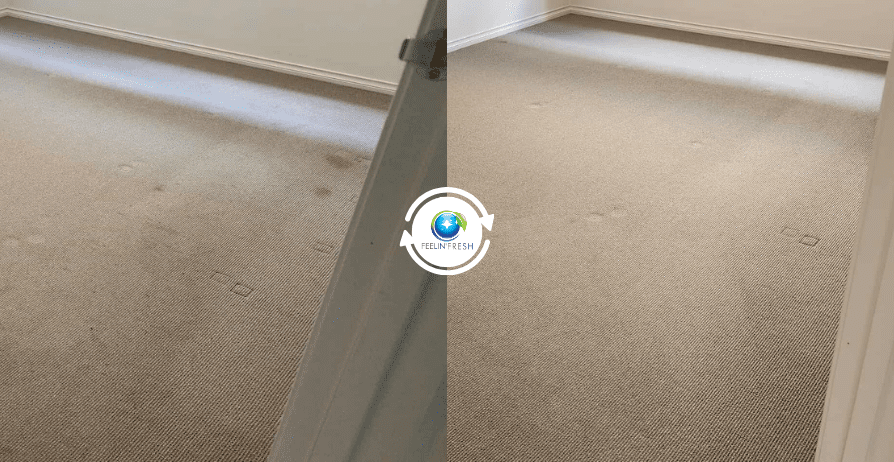
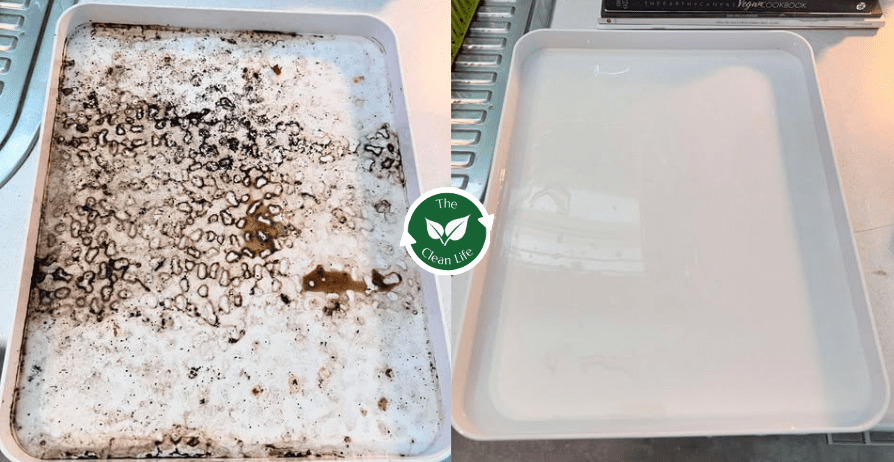
Whether you ask for help or you just lower the bar to survivable, both are valid. Both are wise.

If your New Year’s goals are falling apart, it reflects flawed expectations, not you. Humans don’t thrive on all-or-nothing thinking – they thrive with support, realistic standards, and sustainable systems.
January’s almost over. That’s fine. February is here. You can start differently – no magic date, no impossible standards. Start smart, start real, start supported – whatever that looks like for you.
Let’s make it easier. Whether that means we reset your home for you, or you give yourself permission to just survive this season – both are okay.
📞 Call us on (03) 8765 2312 or get in touch with us today →.
📧 admin@thecleanlife.com.au
🌐 thecleanlife.com.au
We’ve got you. 💚

