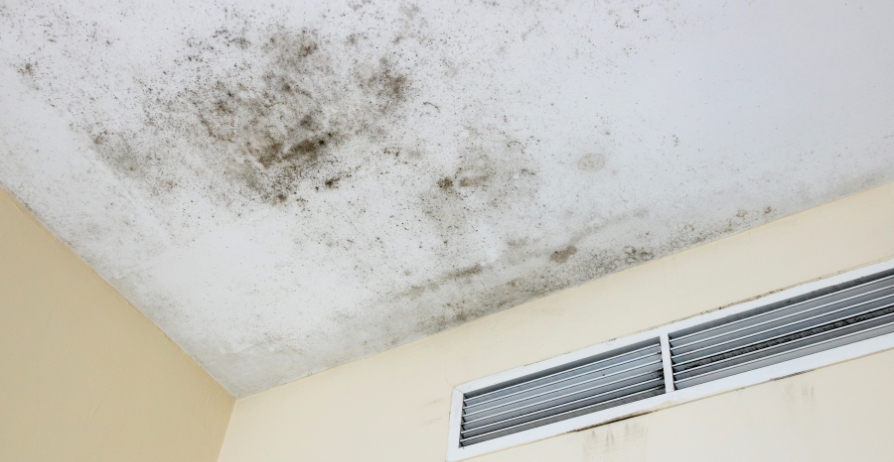

Quick Answer Mould thrives in Melbourne homes during winter because moisture becomes trapped indoors through condensation, heating, poor ventilation, and drying clothes inside. The best way to prevent mould is to improve airflow, reduce moisture build-up, and address early warning signs before June – August when mould season typically peaks. Melbourne winters create ideal conditions for mould growth: Winter Condition: Closed windows Hot showers Indoor clothes drying Heating systems Poor airflow Why It Increases Mould Risk: Traps humid air indoors Creates condensation Adds moisture to the air Creates warm environments mould enjoys Prevents moisture from escaping Mould doesn’t usually appear overnight. By the time you see visible growth, it has often been developing for weeks. The most common areas we see mould develop are: Bathrooms Laundries Bedrooms Window frames and sills Behind furniture on external walls Wardrobes with limited airflow These areas tend to collect moisture while receiving little ventilation. 1. Open Windows Every Day Even 10–15 minutes of fresh airflow can help remove moisture-heavy air from your home. 2. Leave Exhaust Fans Running Keep bathroom exhaust fans running for 20–30 minutes after showering. 3. Remove Condensation Quickly Wipe down windows, tiles, and other wet surfaces before moisture has a chance to settle. 4. Improve Airflow Around Furniture Leave a small gap between beds, wardrobes, couches, and external walls. 5. Avoid Drying Clothes Indoors Without Ventilation If you need to dry clothes inside, open windows, run a fan, or use a dehumidifier. Watch for these early warning signs: Musty smells Persistent window condensation Black spots on ceilings, grout, or walls Peeling paint Damp-feeling rooms If mould keeps returning, there is usually an underlying moisture issue that needs attention. Professional assistance may be needed if: Mould covers a large area Mould repeatedly returns after cleaning You suspect water damage or leaks Mould is affecting indoor air quality The problem is spreading quickly Treating the visible mould without addressing the moisture source often results in the problem returning. Is mould worse during winter in Melbourne? Yes. Mould risk is typically highest between June and August because homes are closed up, creating ideal conditions for trapped moisture and poor airflow. Does opening windows really help? Yes. Fresh air is one of the simplest and most effective ways to reduce indoor humidity and prevent mould growth. Can drying clothes indoors cause mould? It can. Wet clothes release significant moisture into the air, particularly in smaller rooms with limited ventilation. What does mould smell like? Many people notice a damp, musty smell before they see visible mould growth. Can mould come back after cleaning? Yes. If the underlying moisture source isn’t addressed, mould will often return. ✓ Open windows daily to remove trapped moisture ✓ Run bathroom exhaust fans for 20–30 minutes after showering ✓ Wipe condensation from windows and wet surfaces ✓ Avoid drying clothes indoors without ventilation ✓ Check for musty smells, condensation, and black spots before mould spreads Preventing mould isn’t about having a perfect home. It’s about creating a healthier, safer environment before winter fully settles in. A few simple habits now can save hours of mould removal later – and help protect both your home and your family’s wellbeing. If you need support getting on top of winter cleaning and high-risk areas, we’re here to help 💚 📍 Melbourne South East 📞 (03) 8765 2312 Book Your Clean | Contact Us