
About Us

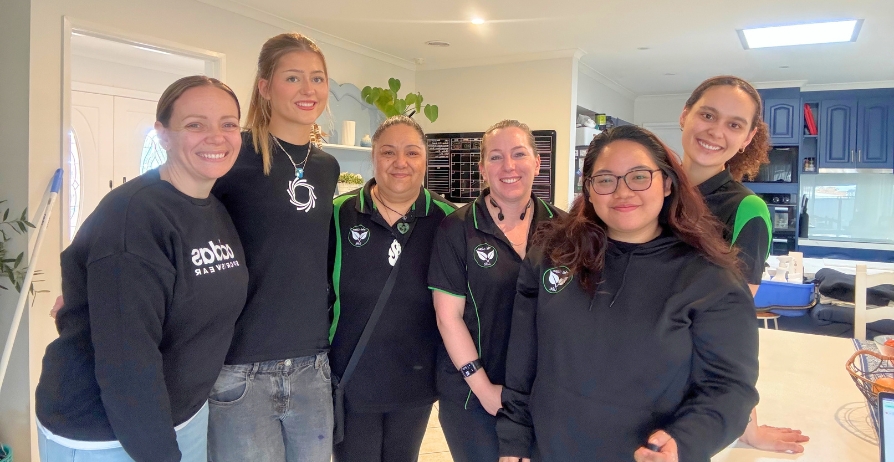
The Clean Life is a proudly Australian-owned company offering premium, eco-friendly cleaning services across Melbourne. With a focus on quality, trust, and care, we provide tailored cleaning solutions to create healthy, happy homes for families.

Contact Info

We serve over 50 suburbs across Melbourne.

(03) 8765 2312

admin@thecleanlife.com.au

The 10-Minute Parallel Reset That Makes Home Feel Less Overwhelming

  There’s a moment most people recognise but rarely name.   You’re cleaning the kitchen. Again. And from the corner of your eye, you can see everyone else settled comfortably on the couch.   Nobody asks if you need help. Nobody offers.   And the frustration that rises in that moment? It’s not really about the dishes.   It’s about feeling invisible in the work of holding everything together.     Psychologists have studied the unequal distribution of domestic labor for decades. What they consistently find isn’t surprising to anyone who’s lived it: resentment rarely builds because of the tasks themselves. It builds because of the feeling of being the only one who sees what needs doing.   This is called cognitive labor – the mental work of noticing, planning, delegating, and remembering. It runs invisibly in the background, constantly. And in most households, it sits heavily on one person’s shoulders.   The laundry doesn’t cause the argument. The laundry is just the moment it overflows.     The concept is disarmingly simple.   For 10 minutes, everyone in the household does something at the same time.   Not assigned chores. Not a negotiated rota. Just a shared, simultaneous reset of the space you all live in.     One person empties the dishwasher. Another folds washing. Someone wipes the benches. A child picks up toys. Someone takes out the rubbish.   Set a timer. Everyone moves. Timer goes off. Done.   No perfection required. No deep clean expected.     Here’s where it gets interesting.   Research in behavioral psychology shows that we’re far more motivated by what others around us are doing than by any external reward or punishment. It’s called social facilitation – we work harder, faster, and more willingly when others are working alongside us.   This is why a gym feels different from exercising alone. Why office environments can sharpen focus. And why a household moving together – even for just 10 minutes – creates momentum that one person cleaning in isolation simply cannot.   But there’s something deeper happening too.   When one person carries the domestic load alone, the household unconsciously communicates: this work belongs to you. Over time, that message erodes connection. It creates invisible hierarchies. It makes home feel less like a shared space and more like one person’s responsibility that everyone else happens to benefit from.   The Parallel Reset interrupts that dynamic.   It sends a different message: this home belongs to all of us.     The tasks don’t need to be equal in effort. They need to be simultaneous in participation.   A rough guide: Adults: Dishwasher, laundry, vacuuming high-traffic areas, wiping benches Teenagers: Rubbish, tidying their room, folding clothes, cleaning bathrooms School-age children: Packing school bags, toy pickup, wiping tables Younger children: Shoes away, books away, sorting toy baskets     Even a four-year-old putting their shoes away is participating. And psychologically, that participation matters – both for them and for the person who would otherwise do it alone.     There’s a tendency to dismiss short systems as not serious enough to make a real difference.   But this misunderstands how overwhelm actually works.   Homes don’t usually descend into chaos overnight. They shift gradually – small messes left unattended, tasks deferred across busy days, surfaces that become invisible because they’ve been cluttered so long.   A 10-minute daily reset doesn’t aim to deep-clean a home. It aims to prevent the accumulation that makes a home feel unmanageable in the first place.   In clinical terms, this is the difference between prevention and crisis management. Prevention is quieter and less dramatic – which is probably why we underestimate it. But it is almost always less exhausting.     The most consistent report from households that introduce shared resets isn’t “our home is cleaner.”   It’s “our home feels different.”   Because what shifts isn’t just the surface of the rooms. It’s the unspoken dynamic within them.   When one person stops carrying everything alone, something relaxes. Conversations feel lighter. Evenings feel less loaded. The low-level tension that had become background noise begins to quiet.     And children who grow up in households where domestic work is shared – where it’s simply what everyone does – carry that understanding into their own adult relationships. The habits formed in a family home become the defaults of future households.   This is a longer game than a clean kitchen. But it starts the same way.     This system works best when everyone genuinely participates. And getting to that point – especially with teenagers, or in households where dynamics are already strained – takes time and consistency.   Start small. One reset. One evening. No pressure for it to be perfect.   The goal isn’t a spotless home. It’s a home where one person isn’t silently exhausted by everything it takes to keep it running.   And if life is genuinely too full right now – if the load has already become too heavy for a 10-minute reset to touch – that’s real too.   Sometimes the most practical thing isn’t a new system. Sometimes it’s support.   At The Clean Life, we work inside busy Melbourne households every day. We see the weight people carry. And we believe homes should feel like a place to rest – not another source of pressure. If you’d like to talk about what support could look like for your household, we’re here. 📞 (03) 8765 2312 📧 admin@thecleanlife.com.au 🌐 thecleanlife.com.au We’ve got you. 💚 Get Your Free Estimate | Contact Us

Is Steam Cleaning Worth It? Here’s What Most Melbourne Homeowners Don’t Realise

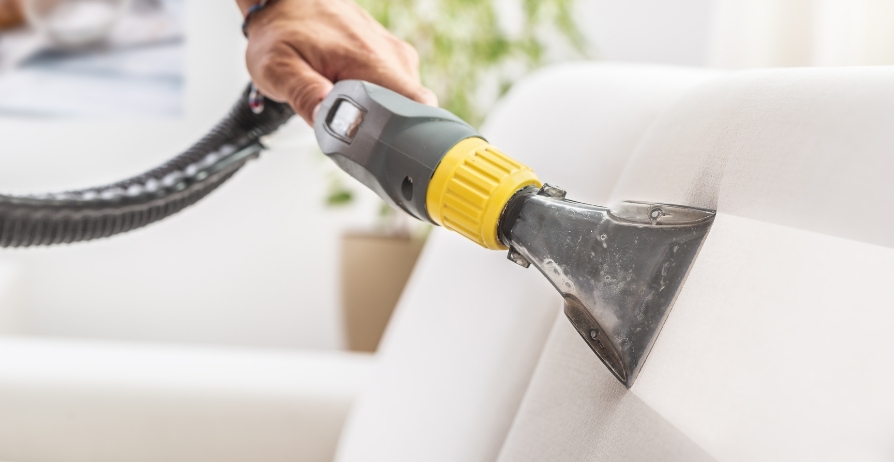
Quick Answer Yes. Steam cleaning removes deep-seated dirt, allergens, dust mites, bacteria, and odours that regular vacuuming cannot reach. While vacuuming maintains surfaces, steam cleaning provides a deeper reset for carpets, upholstery, and mattresses, helping homes feel fresher, cleaner, and more hygienic. Many people are surprised by what becomes trapped inside carpets, couches, and mattresses over time. Common Buildup Dust mites Pet dander Pollen Body oils Food particles Bacteria Odours Found In Carpets, mattresses Carpets, upholstery Carpets, rugs Couches, mattresses Upholstery Soft furnishings Carpets, couches, mattresses While these aren’t always visible, they can affect how a home looks, smells, and feels. Vacuuming and steam cleaning serve different purposes. Vacuuming Removes surface debris Weekly maintenance Helps appearance Doesn’t remove embedded odours Steam Cleaning Extracts deep dirt and buildup Periodic deep reset Improves hygiene and freshness Removes odours trapped in fibres Think of it this way: Vacuuming = Maintenance Steam Cleaning = Reset You may benefit from steam cleaning if: Carpets look dull or worn Upholstery smells stale Pet odours linger Allergies worsen indoors Stains keep resurfacing Mattresses haven’t been cleaned in years High-traffic areas appear darker Your home never feels fully fresh Professional steam cleaning is commonly used for: Carpets & Rugs Removes embedded dirt, allergens, and odours. Upholstery & Couches Refreshes fabrics and lifts years of accumulated buildup. Mattresses Reduces dust mites, allergens, body oils, and bacteria. High-Traffic Areas Targets heavily used spaces that experience the most wear. Many supermarket machines can help with surface cleaning, but they often lack the heat, extraction power, and drying efficiency of professional equipment. Professional steam cleaning: ✓ Reaches deeper into fibres ✓ Extracts more moisture and dirt ✓ Removes odours more effectively ✓ Produces faster drying times ✓ Delivers more consistent results DIY cleaning can be useful for maintenance, but professional equipment is designed to achieve a deeper clean. A general guide: Household Type Average household Homes with pets Allergy sufferers High-traffic family homes Rental properties Recommended Frequency Every 6–12 months Every 3–6 months Every 3–6 months Every 3–6 months Before moving in or out Yes. When performed correctly, professional steam cleaning is a safe alternative to harsher chemical-heavy cleaning methods. At The Clean Life, we use enzyme-based, low-tox products designed to deeply clean while being mindful of children, pets, and sensitive households. Steam cleaning can dramatically improve the appearance of carpets and furniture, but it cannot always reverse: Permanent staining Sun fading Fibre damage Excessive wear and tear However, many items that appear old or worn are simply affected by years of embedded dirt and often look significantly refreshed afterwards. Does steam cleaning remove pet odours? Yes. Steam cleaning removes odour-causing buildup trapped within carpet and upholstery fibres rather than simply masking smells. Can steam cleaning help allergies? Many households find steam cleaning helps reduce dust mites, pollen, and pet dander that contribute to allergy symptoms. How long does steam cleaning take to dry? Drying times vary depending on airflow, humidity, and the surface being cleaned, but professional extraction helps reduce drying time significantly. Is mattress steam cleaning worth it? Yes. Mattresses collect sweat, dust mites, allergens, and body oils over time. Professional steam cleaning helps remove this buildup. How often should couches be steam cleaned? Most households benefit from upholstery steam cleaning every 6–12 months, or more frequently if pets, children, or allergies are involved. ✓ Steam cleaning removes dirt, allergens, bacteria, and odours below the surface. ✓ Regular vacuuming only removes surface debris. ✓ Most homes benefit from professional steam cleaning every 6–12 months. ✓ Steam cleaning can improve indoor air quality and reduce allergens. ✓ Carpets, couches, rugs, and mattresses all benefit from deep cleaning. A clean-looking home and a genuinely fresh home are not always the same thing. Steam cleaning removes the buildup that regular cleaning leaves behind, helping carpets, upholstery, and mattresses feel refreshed again. At The Clean Life, our steam cleaning service – led by Ray and the Feelin’ Fresh team – helps Melbourne South East homes feel cleaner, fresher, and easier to enjoy. Looking For Steam Cleaning In Melbourne South East? Services include: ✓ Carpet steam cleaning ✓ Mattress steam cleaning ✓ Upholstery steam cleaning ✓ Rug cleaning ✓ High-traffic area deep cleaning 📍 Melbourne South East 📞 (03) 8765 2312 📧 admin@thecleanlife.com.au We’re here to help your home feel Feelin’ Fresh again 💚 Book Your Steam Clean | Contact Us

Winter Mould Prevention for Melbourne Homes: What Should You Do Before Winter Starts?

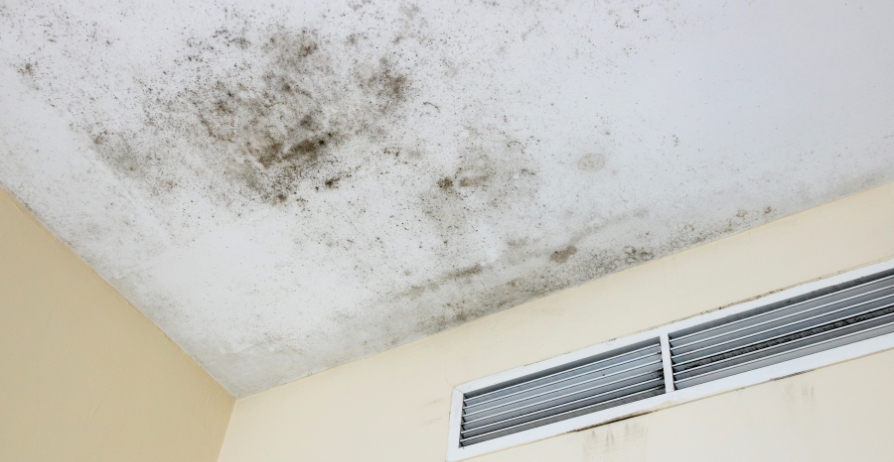
Quick Answer   Mould thrives in Melbourne homes during winter because moisture becomes trapped indoors through condensation, heating, poor ventilation, and drying clothes inside. The best way to prevent mould is to improve airflow, reduce moisture build-up, and address early warning signs before June – August when mould season typically peaks.     Melbourne winters create ideal conditions for mould growth: Winter Condition: Closed windows Hot showers Indoor clothes drying Heating systems Poor airflow Why It Increases Mould Risk: Traps humid air indoors Creates condensation Adds moisture to the air Creates warm environments mould enjoys Prevents moisture from escaping   Mould doesn’t usually appear overnight. By the time you see visible growth, it has often been developing for weeks.     The most common areas we see mould develop are: Bathrooms Laundries Bedrooms Window frames and sills Behind furniture on external walls Wardrobes with limited airflow   These areas tend to collect moisture while receiving little ventilation.     1. Open Windows Every Day Even 10–15 minutes of fresh airflow can help remove moisture-heavy air from your home.   2. Leave Exhaust Fans Running Keep bathroom exhaust fans running for 20–30 minutes after showering.     3. Remove Condensation Quickly Wipe down windows, tiles, and other wet surfaces before moisture has a chance to settle.     4. Improve Airflow Around Furniture Leave a small gap between beds, wardrobes, couches, and external walls.     5. Avoid Drying Clothes Indoors Without Ventilation If you need to dry clothes inside, open windows, run a fan, or use a dehumidifier.     Watch for these early warning signs: Musty smells Persistent window condensation Black spots on ceilings, grout, or walls Peeling paint Damp-feeling rooms   If mould keeps returning, there is usually an underlying moisture issue that needs attention.     Professional assistance may be needed if: Mould covers a large area Mould repeatedly returns after cleaning You suspect water damage or leaks Mould is affecting indoor air quality The problem is spreading quickly   Treating the visible mould without addressing the moisture source often results in the problem returning.     Is mould worse during winter in Melbourne? Yes. Mould risk is typically highest between June and August because homes are closed up, creating ideal conditions for trapped moisture and poor airflow. Does opening windows really help? Yes. Fresh air is one of the simplest and most effective ways to reduce indoor humidity and prevent mould growth. Can drying clothes indoors cause mould? It can. Wet clothes release significant moisture into the air, particularly in smaller rooms with limited ventilation. What does mould smell like? Many people notice a damp, musty smell before they see visible mould growth. Can mould come back after cleaning? Yes. If the underlying moisture source isn’t addressed, mould will often return.     ✓ Open windows daily to remove trapped moisture ✓ Run bathroom exhaust fans for 20–30 minutes after showering ✓ Wipe condensation from windows and wet surfaces ✓ Avoid drying clothes indoors without ventilation ✓ Check for musty smells, condensation, and black spots before mould spreads     Preventing mould isn’t about having a perfect home. It’s about creating a healthier, safer environment before winter fully settles in. A few simple habits now can save hours of mould removal later – and help protect both your home and your family’s wellbeing.     If you need support getting on top of winter cleaning and high-risk areas, we’re here to help 💚 📍 Melbourne South East 📞 (03) 8765 2312 Book Your Clean | Contact Us

The “No Eyes = No Stress” Reset Basket: How One Simple Basket Can End Daily Clutter Chaos

Random chargers. School notes. Socks. Receipts. Toys. Your partner’s mystery items. They all have one thing in common: they’re homeless.   And somehow, it becomes your job to find them a home. Every. Single. Night. Not anymore.     It’s exactly what it sounds like: one attractive basket in your main living area where anything homeless goes. That’s it. No sorting. No assigning. No nagging everyone to put their stuff away. Just one basket. One rule.     Step 1: Get One Basket Choose something that doesn’t look terrible sitting in your living room. A nice woven basket. A wooden crate. A stylish bin. Whatever works with your space. It needs to be attractive because it’s going to be visible.     Step 2: Put It Somewhere Central Living room. Kitchen bench. Entryway. Wherever stuff tends to accumulate. The basket lives there. Permanently.     Step 3: Everything Homeless Goes In Someone’s charger on the couch? Basket. School permission slip on the table? Basket. Mystery sock under the cushion? Basket. Your partner’s pocket contents dumped on the bench? Basket. If it doesn’t have a home, it goes in the basket.      Step 4: Once a Week, Everyone Empties Their Own Stuff Sunday night. Friday afternoon. Whenever works for your household. Everyone takes their stuff out of the basket and deals with it themselves. Not you. Them.     Trash – The basket isn’t a bin. Wrappers, tissues, actual rubbish? Bin. Food or Dishes – Unless you want ants. Kitchen items go to the kitchen. Things That Have a Home – If the TV remote has a designated spot on the coffee table, it doesn’t go in the basket. The basket is for homeless items only.     You Stop Being the Unpaid Household Curator Right now, you’re the one who: Finds the charger Puts the charger away Puts the socks in the laundry Files the school notes Redistributes everyone’s stuff to their rooms   This is invisible labor. And it’s exhausting. With the reset basket, you’re no longer responsible for other people’s stuff.     The Visual Chaos That Makes You Feel Overwhelmed A cluttered living room is visually overwhelming. But a single basket? That’s contained chaos. Your brain can handle one basket. It can’t handle 15 random items scattered across surfaces.     This isn’t about having a clutter-free home 24/7. It’s about reducing the daily work of managing everyone else’s stuff. The basket won’t solve everything. But it will stop you from being the unpaid household curator every single night. And that? That’s worth the price of one basket.   1. It Removes Visual Clutter Without Creating Work The living room looks tidy because everything’s contained. But you didn’t have to spend 20 minutes sorting, organizing, and putting things away. You just put it in the basket and moved on with your life.   2. It Teaches Household Members to Manage Their Own Belongings When everyone has to empty their own stuff once a week, they start to notice: “Wow, I put three chargers in here this week.” “Why do I keep losing my keys?” “Maybe I should just put this in my room in the first place.” The basket creates natural consequences without you having to nag.   3. It Stops the Mental Load of “Where Does This Go?” You know that moment when you’re holding something and you just… freeze? Because you don’t know where it goes. Or you do know, but it’s upstairs and you’re downstairs and you’re tired and –  Basket. Decision made. Mental load reduced.     “Won’t the basket just get full and overflowing?” Yes. And that’s the point. When the basket gets full, everyone has to empty their stuff. Full basket = visual cue that it’s time to deal with your things. It’s self-regulating.   “My partner/kids will never empty their stuff.” Then their stuff stays in the basket. And when they can’t find their charger? “Check the basket.” Can’t find their keys? “Check the basket.” Natural consequences teach faster than nagging.   “What if someone else accidentally throws out my important stuff when emptying the basket?” Then maybe don’t leave your important stuff on the couch? The basket creates accountability. If something’s important, it gets a proper home. Not the basket.       Step 1: Get the Basket Don’t announce it. Don’t make it a big deal. Just get a basket.   Step 2: Start Using It Put homeless things in the basket. Say nothing.   Step 3: When Someone Asks “Where’s My [Thing]?” “Check the basket.”   Step 4: Announce Basket-Emptying Day “Every Sunday night, everyone empties their own stuff from the basket.” That’s it. That’s the system.     The reset basket is a great start. But if your home still feels overwhelming – if the clutter has built up beyond what one basket can solve – you don’t have to tackle it alone. Sometimes the shift isn’t finding a better system.     It’s having someone step in and reset things so you can start fresh.   For more content like this, check out our other blogs: https://thecleanlife.com.au/blogs/   And when you’re ready, we’re here (03) 8765 2312 Melbourne South East Book Your Clean | Contact Us

Why Cleaning Feels Overwhelming

Nothing’s Messier Than a Full Mind It’s 9pm. The kids are finally in bed. But your brain is still going. If you’ve ever wondered why cleaning feels overwhelming, this is usually why.   This is when it catches up. The toothpaste on the mirror. The dishes you didn’t get to. The washing still sitting there. And your brain starts running – what didn’t get done, what needs to happen tomorrow, what you’re already behind on.   It doesn’t really switch off. Even when everything else does.   And that’s why cleaning feels overwhelming. Not because of the cleaning itself. But because your mind is already full.   If this feels familiar, you might also relate to why asking for help isn’t giving up. Read more here A cluttered home rarely starts in the home itself. It starts in the brain.   When your mind is overloaded, your home becomes a storage place for delayed decisions.   That basket isn’t just laundry. It’s postponed energy.Those dishes aren’t just dishes. They’re mental debt.That spare room isn’t messy. It’s everything you haven’t had capacity to face.     Why It’s Not About Motivation Most people think they just need to try harder – be more organised, more disciplined, more on top of things. But if your capacity is already stretched, effort isn’t the problem.   You can’t organise your way out of exhaustion. Most people think they need motivation. But usually, they need relief.    Because once the mind is full, even wiping a bench can feel heavy.     What We’re Actually Dealing With We’re the first generation expected to hold everything at once – to work like we don’t have children, to parent like we don’t have jobs, to run homes like we have full-time help, to remember everything, manage everything, keep everything moving all at once.   We have more freedom than generations before us. But in many homes, the responsibility didn’t shift with it. Because the mental load isn’t just the tasks – it’s being the one who has to notice them.    Research shows women carry a disproportionate share of this load. In Australia, women spend nearly an hour more each day on unpaid work than men on average, according to the Australian Bureau of Statistics.   Over a week, that adds up to several extra hours of invisible work that often goes unspoken. Data from the Workplace Gender Equality Agency shows women in Australia do significantly more unpaid domestic work overall, even when working full-time.   And when your capacity is already stretched – long work hours, small children, caring for others, life piling up – cleaning becomes one more thing your brain has to hold.    That’s what makes cleaning feel overwhelming, even when you’re trying your best.     What Changes When It’s Finally Taken Care Of When it’s taken care of properly all at once, it’s not just the house that changes.     You walk in…and for once, nothing’s waiting for you. You’re not mentally going room to room. You’re not making a list in your head. You’re not thinking about what you should be doing next.   You just sit down. And your body actually lets you. And what people often feel first isn’t happiness. It’s an exhale.     That’s why a clean home can feel emotional. Not because of the cleaning. But because the pressure lifts.     What We Hear From Clients We’ve had hundreds, even thousands, of stories like this shared with us. And they all start in the same place – not just about the clean itself, but about what changed after.   “I didn’t realise how much it was sitting in the back of my mind until it was gone.”“I actually sat down and didn’t think about what needed to be done next.”“It just feels easier to be at home.”“You changed my life. You’ve made it easier for me.”“I finally had a weekend where I wasn’t catching up.”“I didn’t feel judged. I just felt supported.”   Sometimes it’s easier to hear it from someone who’s been there.     Watch Naomi’s story here   So if this is how it feels for you… it’s valid and it’s not just in your head.     The Kind of Support That Actually Helps Some of the people we support have been with us for years. Long enough that it doesn’t feel like a service anymore.It feels familiar, comfortable, like something they don’t have to think about.   Coming from a mum herself, juggling a lot – this is something we hear often.     “I don’t know why I didn’t do this earlier…” — Danicka from Bayside   The kind of shift you don’t really understand until you feel it – when the constant mental list quiets down, and your home stops feeling like something you’re behind on.   Because it was never just about the cleaning. It was about carrying it all on your own for so long. And then… finally not having to.   For many families, that looks like having regular support in place: Home Cleaning Services     What they share with us   Keira W. “I can always tell when Michelle has been. It’s that little extra attention to detail she brings. She’s been my favourite from the beginning.”     Beryl L. “Thank you for sending Chiara and Taylor. Exceptional teamwork. They not only do good work, they enjoy doing it. I would be happy if they came to brighten my life every Thursday.”     It’s not just about the work itself. It’s the consistency. The care. The familiarity of seeing the team.   Knowing someone is coming in, not just to clean, but to take care of your space in a way that feels safe and respectful.   And over time, that kind of support becomes part of your routine. Something you don’t have to manage. Something you don’t have to think about. Just… handled.     You’re Not

The Difference Between a “Tidy Home” and a “Struggling Home”

At a glance, it can look simple. One home is tidy.Another feels chaotic. And it’s easy – from the outside – to assume the difference is effort. That one person is “on top of things” and the other just needs to try harder. But that assumption is almost always wrong. What You Don’t See Matters More Than What You Do A tidy home doesn’t always mean someone has it all together. And a messy home doesn’t mean someone isn’t trying. What you don’t see is often the deciding factor: 1. Mental Load The constant tracking, remembering, managing. The invisible labour of running a household that never appears on any to-do list. Remembering the dentist appointment in three weeks.Noticing when the milk is running low.Knowing which child needs library books returned and which needs sports gear washed.Planning meals. Coordinating schedules. Keeping everything moving. And it doesn’t switch off. Not when the house is quiet.Not when everyone else has gone to bed. In many homes, it’s mums who carry most of this – quietly holding everything together in the background. It’s exhausting. And most people don’t even realise it’s happening. 2. Health Physical or mental exhaustion that limits capacity. Chronic illness. Disability. Depression. Anxiety. ADHD. Postpartum recovery. Chronic pain. Burnout. When your body or mind is already stretched, cleaning becomes one more thing you simply don’t have the capacity for – no matter how much you want to. 3. Time Work, caregiving, and everything else competing for attention. Single parenting. Long commutes. Shift work. Caring for ageing parents while raising children. Managing a household on top of everything else. There are only 24 hours in a day. When most of them are already spoken for, something has to give. And often, it’s the house. 4. Support Whether someone has help – or is doing it all alone. Whether there’s a partner who truly shares the load.Whether there’s family nearby.Whether there’s space – financially or practically – to get help when needed. Support changes the outcome. Without it, even the most capable people can fall behind. Two homes can look completely different – even if the people inside are putting in the same effort. Or more. This doesn’t make you less capable. It makes you human. When Everything Starts to Build Up For many people, it’s not one big moment. It’s the slow build. Laundry that doesn’t quite get put away.Benches that become holding zones.Bathrooms that get a quick wipe, but never a proper reset. Not because they don’t care – but because something else needed their energy first. Often, that “something else” is everyone else. And over time, it adds up. Not just physically – but mentally. The house becomes another thing sitting in the background. Another thing you know needs attention.Another weight you’re carrying. And with that comes guilt. Because you want it done.You care. You just don’t have anything left to give. This Is Where Support Changes Things Some homes are “tidy” not because the person has more discipline – but because they have more support. Someone sharing the load.Someone maintaining things before they build up.Someone stepping in. That changes everything. The Reality Behind the Mental Load Research reflects what many already feel from lived experience: Women do 2–3 more hours of unpaid domestic work per day than men – even when both partners work full-time. (Australian Bureau of Statistics) And 72% of mothers report being the primary manager of their household – tracking schedules, appointments, meals, and everything in between. (Bright Horizons) This kind of labour is invisible. It doesn’t show up on a checklist – but it’s always there. And when you’re already carrying that mental load, cleaning becomes just one more thing you have to find energy for. And when you’re already depleted, that energy doesn’t exist. Our Approach: Guided, Not Judged At The Clean Life, we don’t walk into homes assuming anything about effort. We understand that what we’re seeing is about capacity – not lack of care. 1. Guided Cleans We don’t just clean around the chaos. We help reset spaces in a way that actually supports your life. No pressure. No judgement. Just steady progress. If you need help deciding what to tackle first, we help you prioritise. If you’re feeling stuck about where things should go, we offer suggestions (never judgement). If the thought of us seeing the mess makes you anxious, we get it – and we’ve seen it all. There’s nothing in your home that will shock us or make us think less of you. 2. Decluttering Support Not “throw everything out.”Not “start from scratch.” We help you decide what matters – at your pace. Because decision fatigue is real. When you’ve been making hundreds of decisions all day (what to cook, what to wear, what activity for the kids, how to handle that work situation), deciding what to keep or toss can feel impossible. We don’t push. We don’t rush. We just support you through the process. Organisation That Works in Real Life No unrealistic systems that require constant maintenance. Just simple, functional setups that work with your day-to-day life – so things don’t keep piling back up. We organise for the life you actually live – not the life Instagram tells you to have. If you have kids who dump their shoes everywhere, we create a system that works with that reality, not against it. If you’re exhausted at the end of the day and can’t face putting things away perfectly, we make it easy enough that you actually will. If you have ADHD and “out of sight, out of mind” is your reality, we create visible systems that work with your brain, not against it. Systems that work are systems you’ll actually use. It’s Not About the House A tidy home isn’t the goal. A home that feels manageable is. A home that supports you – instead of draining you. Because when your space feels lighter, everything else does too. You can think more clearly.You can rest

You Don’t Need to Declutter Everything – Just Enough to Breathe

Decluttering advice usually sounds like this: Do it all. Do it fast. Do it perfectly.   But real homes don’t work like that. And real people – especially parents, carers, and anyone already running on empty – don’t have the capacity for an all-week purge.   This isn’t about creating a Pinterest-perfect home. It’s about making your space feel lighter, calmer, and easier to live in.   Here’s how to gently organise and declutter at home – in ways that actually work in real life.     Start With “What’s Making Life Harder?”   Instead of asking “What should I declutter?” Ask: “What’s making my day harder than it needs to be?”   Common answers: Benches you can’t use because they’re covered in things A kitchen drawer that jams every time you open it Laundry that never quite finds its way back to wardrobes A dining table that’s become a holding zone for everything else   You don’t need to tackle the whole house. Start with one friction point – one area that causes daily stress. That’s enough.     The 10-Minute Reset (No Sorting Required)   When energy is low, decision-making is exhausting. So don’t sort yet.   Try this instead: Set a 10-minute timer Clear only visible surfaces Put everything into one basket or box   That’s it. You’re not deciding what stays or goes. You’re just giving your brain visual space. Often, that alone is enough to feel a shift.     Contain First, Organise Later   If your home feels cluttered, it’s usually not because you own “too much” – it’s because things don’t have a designated place.   Simple containment helps immediately: One basket for mail One tub for “not dirty, not clean” clothes One drawer for kitchen tools you use daily One bin for random items that don’t belong anywhere else (yet)   Containment isn’t giving up. It’s creating pause until you have capacity.     Let Go of the “Right Way” to Declutter   You don’t need: Matching containers Perfect labels A full weekend free A minimalist lifestyle   You need systems that work with your life, not against it.   If something helps you function, it’s valid – even if it’s not aesthetic.     When Decluttering Turns Into Another Thing on the List   Sometimes, even the “easy” steps feel like too much.   That’s usually a sign that: You’re already overwhelmed You’re carrying mental load, not just physical clutter The problem isn’t motivation – it’s capacity   And that’s where extra support can help.     There’s No Shame in Getting Help   Hiring help doesn’t mean you’ve failed at managing your home. It means you’ve recognised that doing everything alone isn’t sustainable.   Professional support can: Reset spaces quickly without draining your energy Help you decide what actually matters Take the pressure off when you’re already stretched thin   Sometimes you don’t need a full overhaul. You just need someone to step in and help you breathe again.     A Home That Supports You   Decluttering doesn’t have to be dramatic or perfect. It can be gentle. It can be partial. It can be shared.   Whether you start with one drawer or decide you need a little extra support, the goal is the same:   A home that feels easier to live in – not another source of stress.   And when you’re ready, we’re here to help   For more blogs like this, go to our website https://thecleanlife.au/blog.   Or if you’re ready to book now, click here get started.   Or simply send us a message!

What Happens When We Get It Wrong

Accountability, transparency, and why client feedback matters We’re not perfect. We don’t claim to be. And when we fall short, we believe it matters what happens next. Recently, a client let us know that a clean hadn’t met the standard they expected. The feedback was fair, specific, and important – and it showed us clearly that we’d missed the mark. We’re not sharing the details here because the point isn’t the mistake itself. What matters is how feedback is handled, and how it shapes what we do going forward. This is what that process looks like at The Clean Life. When We Receive Feedback From time to time, a clean doesn’t meet our client’s standards. When that happens, we want clients to know that their feedback is taken seriously – and acted on. We see feedback as a tool for improvement, not criticism to be brushed aside. It helps us understand where something hasn’t landed as it should, even when intentions were good. How We Respond When feedback comes in, our approach is consistent: ✓ We listen – without defensiveness ✓ We acknowledge where we’ve fallen short ✓ We act quickly to make things right ✓ We use the feedback to strengthen our people, systems, and standards In this case, the work was rectified and the client was contacted directly to confirm next steps. Internally, we reviewed what went wrong, supported the team involved with additional guidance and training, and reinforced our quality checks moving forward. Feedback like this plays a huge role in how our cleaners and team leaders learn, improve, and grow over time. What Happens Behind the Scenes This is the part most people never see – but it’s where the real work happens. When feedback comes in, we follow a clear process: Immediate Action The issue is addressed promptly and practically The client is contacted to confirm the plan forward Internal Review We meet with the team involved We look closely at where the breakdown occurred – whether that’s technique, time management, or quality checks Training and Support Targeted retraining is provided where needed Quality standards and end-of-job checks are reinforced Expectations around leftover time are clarified (finishing early means reviewing work, not leaving) System Review Feedback doesn’t just stay at an individual level. We also use it to review our broader systems, including: How quality checks are carried out How expectations are communicated How we balance rotating teams with client preferences for consistency This is how one piece of feedback helps improve the experience for many clients – not just one. Recent Example: Our Team Leaders Meeting We gathered our team leaders for exactly this kind of work – not to talk about numbers, but to talk about growth and accountability. [INSERT PHOTO: Whiteboard from team leaders meeting] We covered OARBED (above the line vs below the line thinking), extreme ownership, and breaking drama cycles. The question we kept coming back to: What can we do next time? What’s the solution? This is what continuous improvement looks like in practice. Not just reacting to feedback, but building a culture where our team is equipped to think critically, take ownership, and grow from every experience. This meeting wasn’t prompted by one specific issue – it’s part of how we operate. But it’s exactly the kind of foundation that helps us respond well when feedback  does come in. What This Taught Us A few important reminders came out of this experience: Finishing early isn’t always a good thing If there’s time left, it should be used to double-check the work. We’ve reinforced this across the team. Rotating teams has trade-offs Rotation helps maintain consistency and avoid complacency, but we also recognise that client preferences matter. We’re continuing to work on balancing both. Feedback is a gift This client shared that they’d “sucked it up” before raising the issue. That’s something we never want. If something isn’t right, we want to know straight away – not after it’s happened multiple times. Why We’re Sharing This Because transparency matters. When you invite someone into your home, you deserve to know: What standards they actually hold How they respond when those standards aren’t met Whether they’re committed to improving, not just looking good We don’t believe in hiding mistakes. We believe in owning them, learning from them, and doing better next time. Our Happiness Guarantee Not 100% happy? Let us know within 24 hours and we’ll come back to make it right, free of charge. Our Commitment Moving Forward We’re not perfect. We will make mistakes. But here’s what we promise: We’ll own it – no excuses, no defensiveness We’ll fix it – quickly and without you having to chase us We’ll learn from it – every piece of feedback helps us improve We’ll be transparent – you’ll know what we’re doing about it If You Ever Need to Give Us Feedback Please don’t “suck it up.” If something doesn’t feel right: Call us: (03) 8765 2312 Email: admin@thecleanlife.com.au Message us on social media Tell us on the day if you’re home We genuinely want to know – and we genuinely want to make it right. That’s how we get better. Thank You To the client who shared their feedback: thank you for your honesty and your willingness to let us learn from it. And to everyone who trusts us with their homes: thank you. We don’t take that lightly. We’ll keep showing up, keep learning, and keep working to earn that trust every single day. The Clean Life Team P.S. If you’ve had an issue with us in the past and didn’t say anything – it’s not too late. We’d still love to hear from you.

Behind the Scenes of The Clean Life

What it really looks like to care, improve, and work together   Our clients see the finished result. A clean kitchen. A reset living space. A home that feels lighter than it did before.   What they don’t see is everything that happens behind the scenes to make that possible.   At The Clean Life, the work doesn’t start and end at your front door. It starts with how we treat each other, how we communicate, and how seriously we take the responsibility of being invited into someone’s home.   This is a look inside how we actually operate – not the polished version. The real one.     We Work as a Team – Always   Cleaning can look like a solo job from the outside. One team. One home. One checklist.   In reality, no one at TCL works alone.   We check in with each other constantly – especially on hard days, hot days, or when life outside work is heavy. We support each other through long shifts, physical work, and the emotional weight that comes with caring for families who are already stretched thin.   Team spirit isn’t something we talk about for branding. It’s how we survive the week.   When one person’s struggling, someone else steps in. When someone does well, it’s noticed. When things feel hard, they’re allowed to be said out loud.   That sense of “we’ve got you” matters – because supported people do better work. And better work means better care for the families trusting us with their homes.     Accountability, Not Blame   We hold each other to a standard. Not because we expect perfection – but because we care about consistency and trust.   If something’s missed, we talk about it. If feedback comes in, we share it. If a pattern starts to show up, we zoom out and ask why.   A lot of this happens in our group chats – real conversations, real moments, real accountability. (We’ve shared a few screenshots throughout this post, with names removed and permission given, because transparency matters to us.)   The goal is never to shame or point fingers. The goal is learning.   Mistakes are part of any work done by humans. What matters is how you respond to them – and whether you create space for people to grow without fear.   We don’t blame. We do better.     Spotting Patterns, Building Better Systems   One-off issues get handled. Patterns get addressed.   If we notice the same thing coming up more than once, that’s a signal – not something to ignore and hope disappears.   It tells us something needs adjusting: The system might need tweaking Communication might need improving Standards might need clarifying Someone might need extra support or training   We don’t expect people to “just cope better.”   We look at the structure around them and ask: How can we do better?   This is how standards stay strong – not rigid, but responsive. Not frozen in place, but constantly evolving based on what we’re learning.     Different Roles, Same Goal   Everyone at TCL has a different role.   Some are client-facing – in homes every day. Some are behind the scenes – managing schedules, invoices, communication. Some are leading. Some are learning.   [INSERT ORG CHART IMAGE HERE]   Our growing team – each person plays a part in making your home feel easier to live in.   But the goal is always the same:   Care. Consistency. Homes that feel easier to live in.   No role is “less important.” Every part of the process affects the experience in your home – from the person who cleans your bathroom to the person who answers your call to the person who makes sure everyone gets paid on time.     The Human Stuff (That Actually Matters)   Not everything is serious. And honestly, it shouldn’t be. We make space for connection beyond the work:   Tell Me Tuesdays – where we ask things like: “If zombies attacked, which one teammate are you dragging through the apocalypse with you — and why?“   Friday game nights – pizza, terrible card strategies, and the kind of laughs that make your face hurt   Group chat banter – the kind that reminds you you’re working with actual humans, not just names on a roster   Social conversations that have nothing to do with cleaning – because sometimes you just need to talk about anything else   These moments matter more than people realise. They’re what keep morale up when the work is hard. They’re what remind us we’re humans first – not just workers who happen to clean. They’re what make people want to show up, not just feel obligated to.   And that matters when you’re doing physical, emotionally demanding work day after day.     Why This Matters to You   This culture isn’t accidental. And it isn’t just internal feel-good stuff.   A team that feels supported: Shows up with more care, not just going through the motions Communicates better when something needs attention Handles feedback calmly instead of getting defensive Keeps improving instead of protecting their ego Actually wants to be there   How we treat our people directly affects how we care for your space. It’s not separate. It’s connected.   When someone feels seen, valued, and supported at work – they bring that energy into your home. When they’re stressed, unsupported, or afraid to speak up – you feel that too, whether you realise it or not.   We’re not perfect. We don’t claim to be.   But we are intentional. And we believe that matters.     A Final Thought   When you invite someone into your home, you’re trusting them with more than just cleaning. You’re trusting them with your space. Your time. Your mental load. The place where your life happens.   We take that seriously – and it starts long before

Survival Cleaning Strategies

How to Keep Your Home Functional When You’re Running on Empty For when you’re burnt out, overwhelmed, and just trying to get through the week without the house making it harder. Let’s Be Honest About Where You’re At You’re exhausted. The house isn’t getting cleaner – it’s getting messier. And every surface feels like another quiet reminder of what hasn’t been done yet.   You know what should be done. You’ve seen the routines, the schedules, the sparkling homes online. But right now? You don’t have the energy for any of that.   This isn’t a guide to perfect. It’s a guide to survivable.   It’s for when: You can barely manage the basics Traditional cleaning advice feels impossible You need your home functional, not impressive You’re trying to stop things getting worse – not make them spotless If that’s you, this is for you.     First: Redefine “Clean Enough”   The standards you’re holding yourself to might be the problem.   Traditional standard: Bathrooms deep-cleaned weekly Survival standard: Toilet and sink are wiped over. You can shower safely.   Traditional standard: Kitchen reset after every meal Survival standard: Dishes done once a day. Benchtops clear enough to cook.   Traditional standard: Floors vacuumed and mopped weekly Survival standard: Walkable. Nothing sticky underfoot.   Traditional standard: Bedrooms tidy and beds made Survival standard: Safe to walk. Clean clothes accessible.   You’re not lowering standards – you’re matching them to your current capacity. Capacity changes. That’s normal.     Strategy 1: The 15-Minute Visible Clean   When energy is low, clean what your eyes land on.   Kitchen (5 mins) Clear the sink Wipe benchtops Put away obvious clutter Skip floors, cupboards, appliances Living areas (5 mins) Reset cushions Clear coffee table Toss clutter into one basket (don’t sort) Bathroom (5 mins) Quick toilet brush Wipe sink Close shower curtain   Set a timer. When it ends, stop. This isn’t cleaning – it’s triage.     Strategy 2: Rotate, Don’t Maintain   You cannot maintain everything at once when you’re burnt out. Stop trying.   Simple weekly rotation: Monday: Kitchen Tuesday: Bathroom Wednesday: Living areas Thursday: Laundry Friday: Bedrooms Weekend: Rest   Each area gets one focus day. Everything else slides.     Strategy 3: Clean by Time, Not Completion   Burnout turns “I’ll just do the kitchen” into three exhausting hours.   Instead: Set a 10-20 min timer Clean until it ends Stop immediately – even mid-task   Half-cleaned is better than not cleaned at all.     Strategy 4: Close the Door on What You Can’t Handle   If a room overwhelms you and you don’t have capacity: Close the door Stop looking at it Deal with it later   This isn’t avoidance. It’s mental load management.     Strategy 5: Contain the Chaos (Doom Piles)   Doom piles exist because decisions require energy. Don’t eliminate them. Contain them.   One basket or box for: Mail “Not dirty but not clean” clothes Toy overflow Random stuff   When the container is full, then you deal with it. Contained mess is calmer than scattered mess.     Strategy 6: Rest Is Part of the System   You don’t earn rest by finishing cleaning. Rest is what makes any cleaning possible.   Build it in: One low-expectation day per week Breaks after short cleaning bursts Permission to leave things undone Your mental health matters more than clean floors.     When Even Survival Mode Feels Too Hard   Some weeks, survival cleaning is: A clean toilet One dishwasher run a day A clear path to walk   That’s still coping.   If you’ve been unable to manage even the basics for weeks, it might be time for extra support – whether that’s: Professional cleaning Asking family or friends directly Talking to your GP about burnout   Needing help is a signal that you’ve reached capacity. Not a reflection of anything else.     Final Thought   Survival mode isn’t forever.   But whilst you’re here, lower the bar. Protect your energy.   Your home doesn’t need to be perfect.   It just needs to be safe, functional, and not another thing hurting you.   And if you’re ready to take one thing off your plate – we’re here. (03) 8765 2312 admin@thecleanlife.com.au thecleanlife.com.au   We’ve got you.