
About Us

The Clean Life is a proudly Australian-owned company offering premium, eco-friendly cleaning services across Melbourne. With a focus on quality, trust, and care, we provide tailored cleaning solutions to create healthy, happy homes for families.

Contact Info

We serve over 50 suburbs across Melbourne.

(03) 8765 2312

admin@thecleanlife.com.au

Too Embarrassed to Book a Cleaner? Here’s Why You Don’t Need to Be

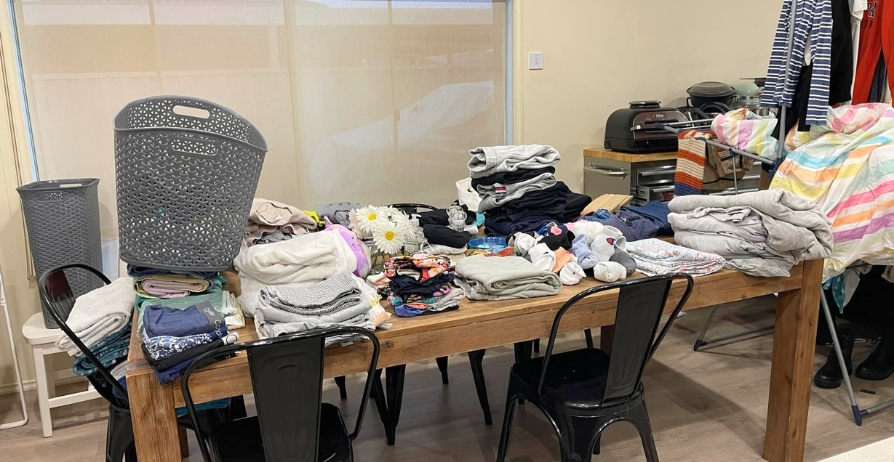
There’s a particular kind of weight that builds in homes where people are overwhelmed.   It doesn’t announce itself. It doesn’t arrive all at once. It shows up in small decisions. Not inviting people over. Rehearsing an apology before anyone even walks through the door. Spending the hour before your appointment frantically tidying the home you hired someone else to clean.   If you’ve been putting off booking cleaning support – what we at The Clean Life call a Home Specialist – because your home feels too messy, too embarrassing, or just too much right now, this is worth reading.   Because what you’re experiencing has a name. And it’s not laziness.   Researchers who study shame make an important distinction: shame is about the self, not the situation.   Guilt says I did something wrong. Shame says I am something wrong.   This matters when it comes to household mess. When someone looks at a pile of laundry or an unwashed sink and thinks I’m failing rather than I’ve had a hard week, shame has moved in. And shame, unlike guilt, doesn’t inspire change. It paralyses. It makes people less likely to ask for help, less likely to take action, and more likely to avoid the very things that could improve the situation.   The shame of a messy home often makes the messy home worse. And the longer it goes on, the heavier both become.     One of the most common things people do before a professional clean is spend hours cleaning first. On the surface, this feels logical. It’s actually a shame response. The internal script usually sounds something like: I can’t let them see it like this. They’ll think less of me. I need to make it at least presentable before they arrive.   This is the voice of shame, specifically the fear of being judged by someone else. And the problem with it isn’t just the wasted energy. It’s the delayed relief. The one window you had to rest, the hour before they arrived, spent doing the very thing you hired someone else to do.   You don’t need to clean before your Home Specialist arrives. Not because standards don’t matter, but because the mess you’re embarrassed about is exactly what they’re there for.   People who work professionally in homes develop a kind of neutrality toward household mess that’s hard to explain until you’ve seen it.   It’s not that they don’t notice. It’s that the context they bring is completely different from the story you’re telling yourself.   Where you see evidence of failure, they see a busy household. Where you see something to be ashamed of, they see a job they’re glad to do.   Our Home Specialists genuinely care about the people in the homes they work in. But that care doesn’t come with judgement. After working across hundreds of homes and all kinds of life circumstances, the range of what’s “normal” looks nothing like what shame tells you it does.   The home you’re embarrassed about is more ordinary than you think. The person coming to help has almost certainly seen the same thing, or something far more overwhelming, many times before.   There’s a concept in psychology called attentional capture: the brain’s tendency to fixate on unresolved tasks.   Household mess is particularly good at triggering this. Every grimy surface, every room you’re avoiding, every cluttered corner is an open loop in your mind. Something unfinished. Something still requiring attention. Research on cognitive load shows that the more of these we carry, the less capacity we have for everything else. This is why a messy home often feels more oppressive than it looks. The floor plan hasn’t changed, but the number of incomplete tasks living in your peripheral vision has. And they consume the mental energy you were hoping to use for everything else.   A clean home doesn’t just look different. It feels cognitively lighter. Fewer open loops. Fewer visual reminders of things undone. More space to think, rest, and actually be present.   This is why people who book their first professional clean so often say the same thing: I didn’t realise how much it was weighing on me until it was gone.   There’s a broader cultural script at play here, particularly for parents, carers, and people managing a lot at once.   Most of us absorbed the message, without anyone saying it directly, that capability means doing everything independently. That asking for help signals weakness. That other people are coping fine, so why aren’t you? But here’s what the research actually shows: practical support, including help with domestic tasks, is one of the most reliable protective factors against burnout, depression, and chronic stress. People who ask for help don’t cope worse. They cope better. Not because the help solves everything, but because not carrying everything alone lightens the load of simply getting through a difficult season.   Asking for support isn’t evidence that you’re failing. It’s evidence that you know your own limits. That’s self-awareness, not weakness.   Something worth naming honestly.   Sometimes a home that’s gotten out of hand is a sign of something difficult going on. Depression affects motivation and energy in ways that make daily tasks feel impossible. So does anxiety, chronic illness, ADHD, grief, and burnout. In these situations, “just clean more” isn’t useful advice, and the shame that comes with being unable to follow it makes everything worse. If the state of your home is reflecting something painful happening inside it, a Home Specialist won’t resolve what’s underneath. But they might remove one layer of pressure at a time when every layer counts.   Relief isn’t the same as a solution. But it’s still real. And sometimes it’s what creates just enough space to begin addressing everything else.   There’s a quieter myth worth addressing: that cleaning support is something you turn to only when things have genuinely fallen apart.   Maintaining a home with consistent support

The 10-Minute Parallel Reset That Makes Home Feel Less Overwhelming

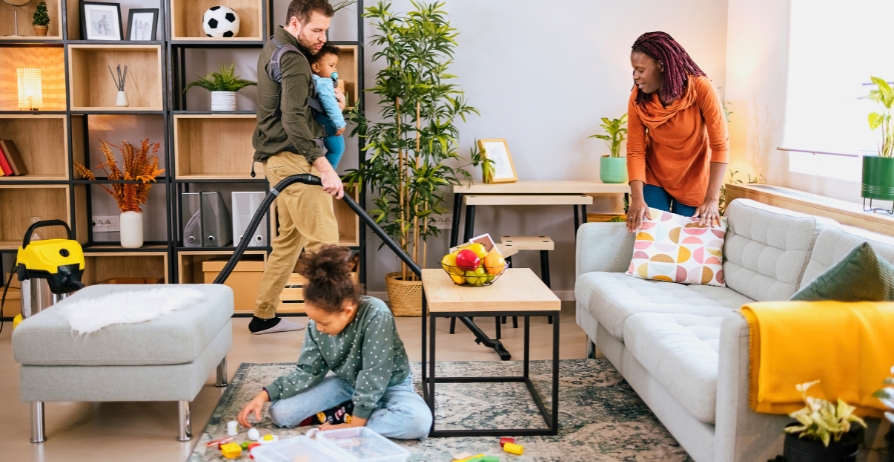
  There’s a moment most people recognise but rarely name.   You’re cleaning the kitchen. Again. And from the corner of your eye, you can see everyone else settled comfortably on the couch.   Nobody asks if you need help. Nobody offers.   And the frustration that rises in that moment? It’s not really about the dishes.   It’s about feeling invisible in the work of holding everything together.     Psychologists have studied the unequal distribution of domestic labor for decades. What they consistently find isn’t surprising to anyone who’s lived it: resentment rarely builds because of the tasks themselves. It builds because of the feeling of being the only one who sees what needs doing.   This is called cognitive labor – the mental work of noticing, planning, delegating, and remembering. It runs invisibly in the background, constantly. And in most households, it sits heavily on one person’s shoulders.   The laundry doesn’t cause the argument. The laundry is just the moment it overflows.     The concept is disarmingly simple.   For 10 minutes, everyone in the household does something at the same time.   Not assigned chores. Not a negotiated rota. Just a shared, simultaneous reset of the space you all live in.     One person empties the dishwasher. Another folds washing. Someone wipes the benches. A child picks up toys. Someone takes out the rubbish.   Set a timer. Everyone moves. Timer goes off. Done.   No perfection required. No deep clean expected.     Here’s where it gets interesting.   Research in behavioral psychology shows that we’re far more motivated by what others around us are doing than by any external reward or punishment. It’s called social facilitation – we work harder, faster, and more willingly when others are working alongside us.   This is why a gym feels different from exercising alone. Why office environments can sharpen focus. And why a household moving together – even for just 10 minutes – creates momentum that one person cleaning in isolation simply cannot.   But there’s something deeper happening too.   When one person carries the domestic load alone, the household unconsciously communicates: this work belongs to you. Over time, that message erodes connection. It creates invisible hierarchies. It makes home feel less like a shared space and more like one person’s responsibility that everyone else happens to benefit from.   The Parallel Reset interrupts that dynamic.   It sends a different message: this home belongs to all of us.     The tasks don’t need to be equal in effort. They need to be simultaneous in participation.   A rough guide: Adults: Dishwasher, laundry, vacuuming high-traffic areas, wiping benches Teenagers: Rubbish, tidying their room, folding clothes, cleaning bathrooms School-age children: Packing school bags, toy pickup, wiping tables Younger children: Shoes away, books away, sorting toy baskets     Even a four-year-old putting their shoes away is participating. And psychologically, that participation matters – both for them and for the person who would otherwise do it alone.     There’s a tendency to dismiss short systems as not serious enough to make a real difference.   But this misunderstands how overwhelm actually works.   Homes don’t usually descend into chaos overnight. They shift gradually – small messes left unattended, tasks deferred across busy days, surfaces that become invisible because they’ve been cluttered so long.   A 10-minute daily reset doesn’t aim to deep-clean a home. It aims to prevent the accumulation that makes a home feel unmanageable in the first place.   In clinical terms, this is the difference between prevention and crisis management. Prevention is quieter and less dramatic – which is probably why we underestimate it. But it is almost always less exhausting.     The most consistent report from households that introduce shared resets isn’t “our home is cleaner.”   It’s “our home feels different.”   Because what shifts isn’t just the surface of the rooms. It’s the unspoken dynamic within them.   When one person stops carrying everything alone, something relaxes. Conversations feel lighter. Evenings feel less loaded. The low-level tension that had become background noise begins to quiet.     And children who grow up in households where domestic work is shared – where it’s simply what everyone does – carry that understanding into their own adult relationships. The habits formed in a family home become the defaults of future households.   This is a longer game than a clean kitchen. But it starts the same way.     This system works best when everyone genuinely participates. And getting to that point – especially with teenagers, or in households where dynamics are already strained – takes time and consistency.   Start small. One reset. One evening. No pressure for it to be perfect.   The goal isn’t a spotless home. It’s a home where one person isn’t silently exhausted by everything it takes to keep it running.   And if life is genuinely too full right now – if the load has already become too heavy for a 10-minute reset to touch – that’s real too.   Sometimes the most practical thing isn’t a new system. Sometimes it’s support.   At The Clean Life, we work inside busy Melbourne households every day. We see the weight people carry. And we believe homes should feel like a place to rest – not another source of pressure. If you’d like to talk about what support could look like for your household, we’re here. 📞 (03) 8765 2312 📧 admin@thecleanlife.com.au 🌐 thecleanlife.com.au We’ve got you. 💚 Get Your Free Estimate | Contact Us

Is Steam Cleaning Worth It? Here’s What Most Melbourne Homeowners Don’t Realise

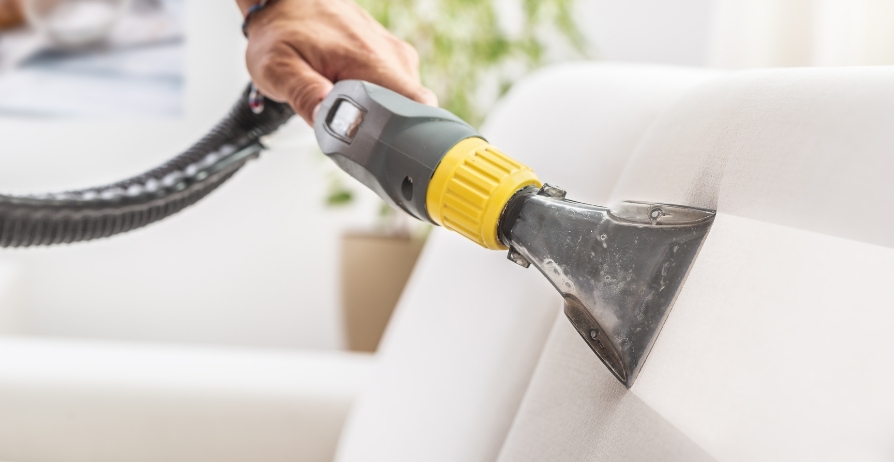
Quick Answer Yes. Steam cleaning removes deep-seated dirt, allergens, dust mites, bacteria, and odours that regular vacuuming cannot reach. While vacuuming maintains surfaces, steam cleaning provides a deeper reset for carpets, upholstery, and mattresses, helping homes feel fresher, cleaner, and more hygienic. Many people are surprised by what becomes trapped inside carpets, couches, and mattresses over time. Common Buildup Dust mites Pet dander Pollen Body oils Food particles Bacteria Odours Found In Carpets, mattresses Carpets, upholstery Carpets, rugs Couches, mattresses Upholstery Soft furnishings Carpets, couches, mattresses While these aren’t always visible, they can affect how a home looks, smells, and feels. Vacuuming and steam cleaning serve different purposes. Vacuuming Removes surface debris Weekly maintenance Helps appearance Doesn’t remove embedded odours Steam Cleaning Extracts deep dirt and buildup Periodic deep reset Improves hygiene and freshness Removes odours trapped in fibres Think of it this way: Vacuuming = Maintenance Steam Cleaning = Reset You may benefit from steam cleaning if: Carpets look dull or worn Upholstery smells stale Pet odours linger Allergies worsen indoors Stains keep resurfacing Mattresses haven’t been cleaned in years High-traffic areas appear darker Your home never feels fully fresh Professional steam cleaning is commonly used for: Carpets & Rugs Removes embedded dirt, allergens, and odours. Upholstery & Couches Refreshes fabrics and lifts years of accumulated buildup. Mattresses Reduces dust mites, allergens, body oils, and bacteria. High-Traffic Areas Targets heavily used spaces that experience the most wear. Many supermarket machines can help with surface cleaning, but they often lack the heat, extraction power, and drying efficiency of professional equipment. Professional steam cleaning: ✓ Reaches deeper into fibres ✓ Extracts more moisture and dirt ✓ Removes odours more effectively ✓ Produces faster drying times ✓ Delivers more consistent results DIY cleaning can be useful for maintenance, but professional equipment is designed to achieve a deeper clean. A general guide: Household Type Average household Homes with pets Allergy sufferers High-traffic family homes Rental properties Recommended Frequency Every 6–12 months Every 3–6 months Every 3–6 months Every 3–6 months Before moving in or out Yes. When performed correctly, professional steam cleaning is a safe alternative to harsher chemical-heavy cleaning methods. At The Clean Life, we use enzyme-based, low-tox products designed to deeply clean while being mindful of children, pets, and sensitive households. Steam cleaning can dramatically improve the appearance of carpets and furniture, but it cannot always reverse: Permanent staining Sun fading Fibre damage Excessive wear and tear However, many items that appear old or worn are simply affected by years of embedded dirt and often look significantly refreshed afterwards. Does steam cleaning remove pet odours? Yes. Steam cleaning removes odour-causing buildup trapped within carpet and upholstery fibres rather than simply masking smells. Can steam cleaning help allergies? Many households find steam cleaning helps reduce dust mites, pollen, and pet dander that contribute to allergy symptoms. How long does steam cleaning take to dry? Drying times vary depending on airflow, humidity, and the surface being cleaned, but professional extraction helps reduce drying time significantly. Is mattress steam cleaning worth it? Yes. Mattresses collect sweat, dust mites, allergens, and body oils over time. Professional steam cleaning helps remove this buildup. How often should couches be steam cleaned? Most households benefit from upholstery steam cleaning every 6–12 months, or more frequently if pets, children, or allergies are involved. ✓ Steam cleaning removes dirt, allergens, bacteria, and odours below the surface. ✓ Regular vacuuming only removes surface debris. ✓ Most homes benefit from professional steam cleaning every 6–12 months. ✓ Steam cleaning can improve indoor air quality and reduce allergens. ✓ Carpets, couches, rugs, and mattresses all benefit from deep cleaning. A clean-looking home and a genuinely fresh home are not always the same thing. Steam cleaning removes the buildup that regular cleaning leaves behind, helping carpets, upholstery, and mattresses feel refreshed again. At The Clean Life, our steam cleaning service – led by Ray and the Feelin’ Fresh team – helps Melbourne South East homes feel cleaner, fresher, and easier to enjoy. Looking For Steam Cleaning In Melbourne South East? Services include: ✓ Carpet steam cleaning ✓ Mattress steam cleaning ✓ Upholstery steam cleaning ✓ Rug cleaning ✓ High-traffic area deep cleaning 📍 Melbourne South East 📞 (03) 8765 2312 📧 admin@thecleanlife.com.au We’re here to help your home feel Feelin’ Fresh again 💚 Book Your Steam Clean | Contact Us